
Dysphagia Research Bites Podcast
This is your go-to podcast for all things dysphagia for the SLP working outside the hospital setting.
Because dysphagia care in the community requires a different approach
In this podcast I sit down with researchers and clinicians who are doing interesting work, so you can stay informed, feel confident, and consume clinically digestible dysphagia education.
Each episode is based around one particular research article or publication, and from there I chat with guests about what the research means for clinical practice.
You'll hear about dysphagia research either directly from the source (i.e. researchers), or from the clinicians putting it into practice. And often I'll get a unicorn clinician-researcher on the pod!
Each episode brings you honest, engaging conversations so you can stay informed, feel confident, and know you're not figuring this out alone.
I've tried to keep episodes to 30 minutes or less so they're easy to consume, because that's how I like my podcasts.
But forgive me if the odd conversation here or there goes a little over. It's only because it had info that was too good to cut out!
Join me on your favourite pod platform so we can get straight into the clinical content with the guests.
Enjoy.
LISTEN ON APPLE LISTEN ON SPOTIFY
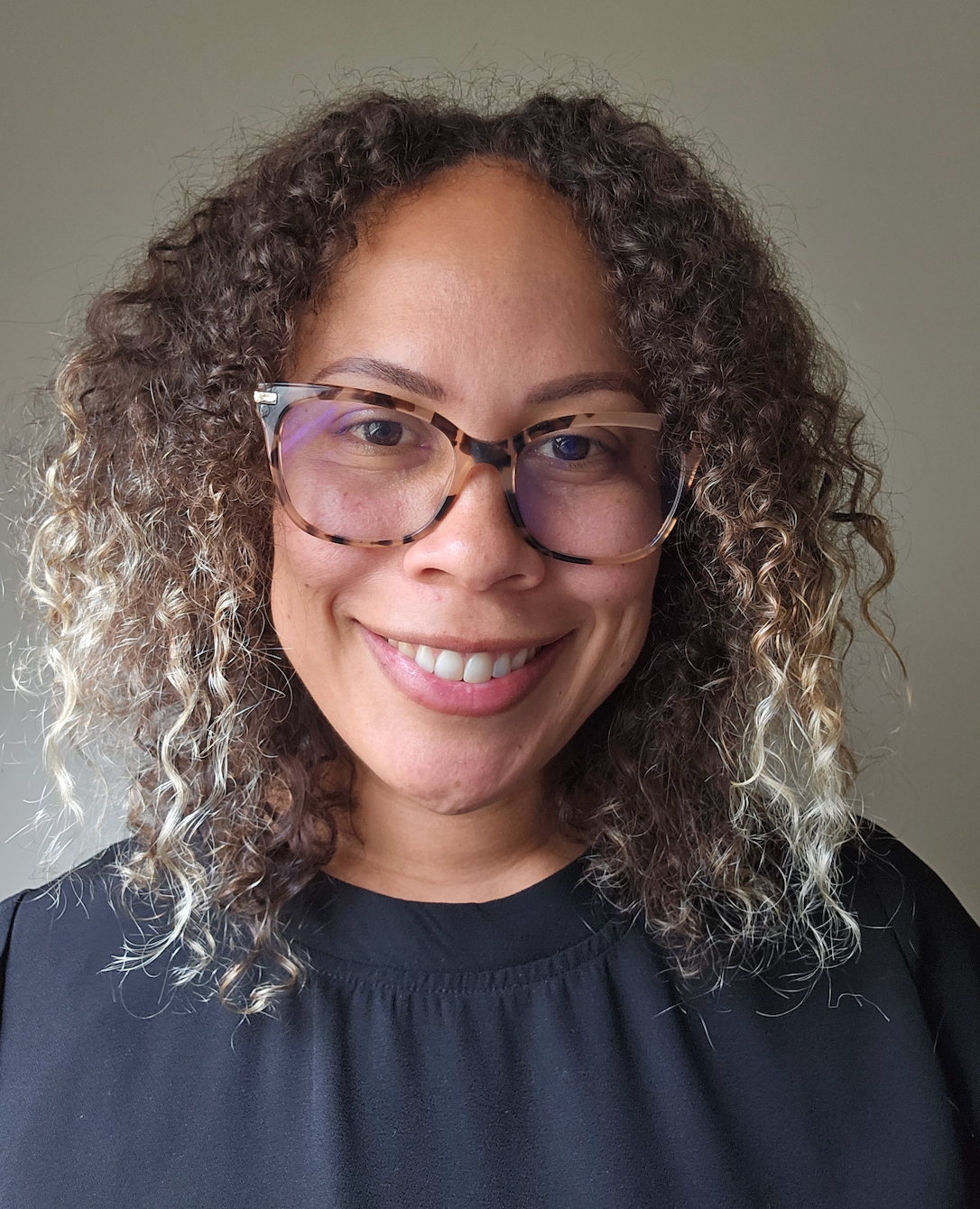
Meet Your Host
Hi, I'm Chantelle
I'm a speech pathologist, dysphagia educator, and founder of Dysphagia Bites. For over 15 years, I've worked across home health, aged care, disability, and inpatient settings, and I've seen firsthand how overlooked community-based dysphagia practice can be.
I've always loved educating myself through podcasts but I noticed a big gap in the dysphagia podcast market. Most of the existing ones were either heavily focused on dysphagia in an acute care setting or they were heavily theoretical. So a lot of the information either didn't apply to me in a community role or I couldn't apply it to practice.
So I decided to fill that gap with this podcast!
Who should be on the DYSPHAGIA RESEARCH BITES podcast next?
I'm always interested in connecting with researchers and clinicians working in post-acute and community dysphagia care, and exploring the ideas, research and experiences shaping the field.
Is there someone whose work you'd like to hear more about, or a research article you'd love to see discussed? I'd love to hear your suggestions for future episodes!
Suggest a Guest
Here's a peek at the
Dysphagia Research Bites Podcast Episodes
EP 1
Dysphagia in the Community:
Adapted Skills, Holistic Care and the Research Gap
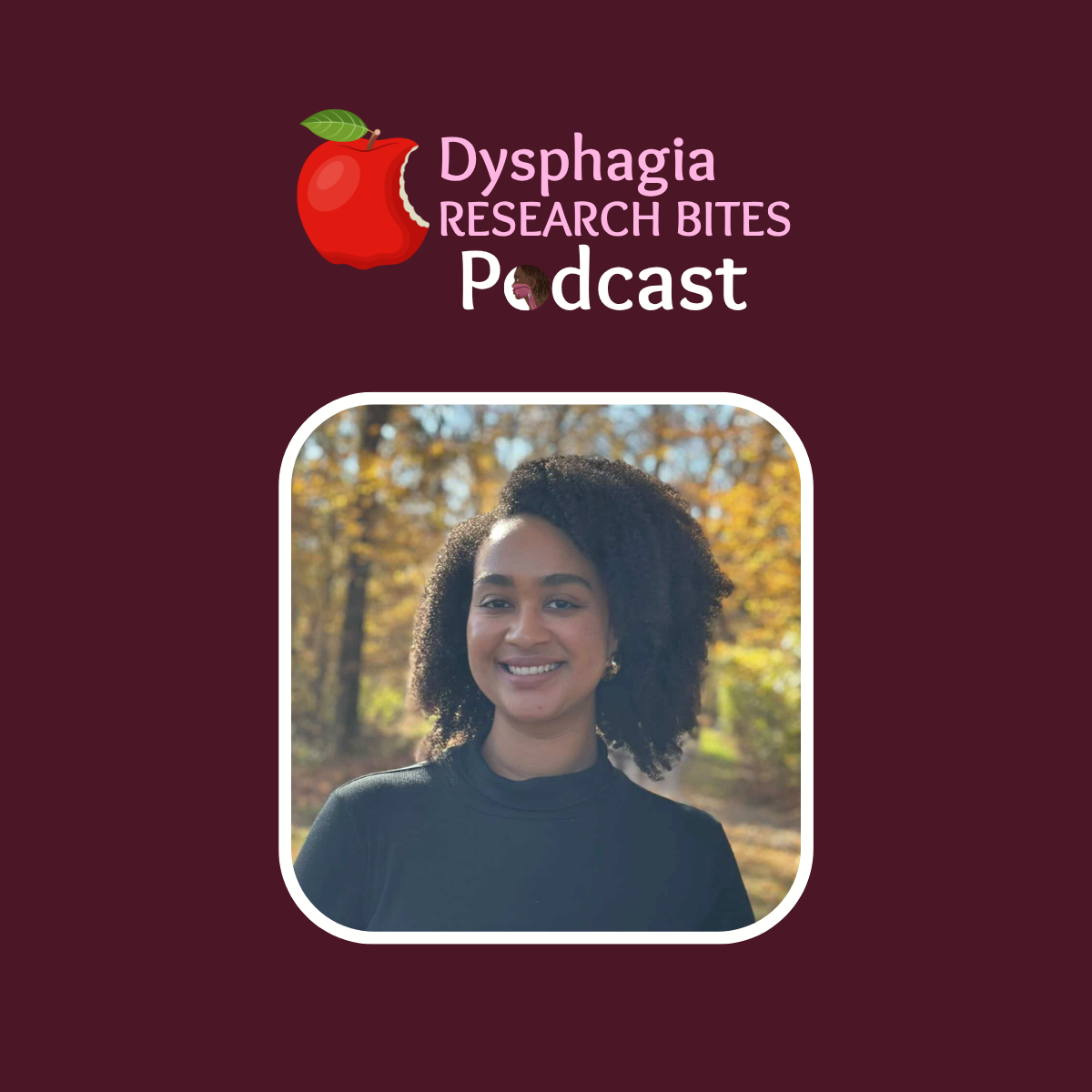
with Dr Simone Howells
Community dysphagia practice is not simply acute care in a different setting, and Dr Simone Howells' research makes that case clearly. This episode draws on her 2019 study exploring how speech-language pathologists approach dysphagia in community contexts.
The conversation covers three themes from Simone's research: holistic practice, client autonomy, and carer engagement, and addresses the practical realities of working without an MDT, navigating grief and psychosocial factors, and incorporating cultural considerations into assessment and management.
EP 2
Dysphagia and Dementia
Part 1: What we Need to Learn & Unlearn
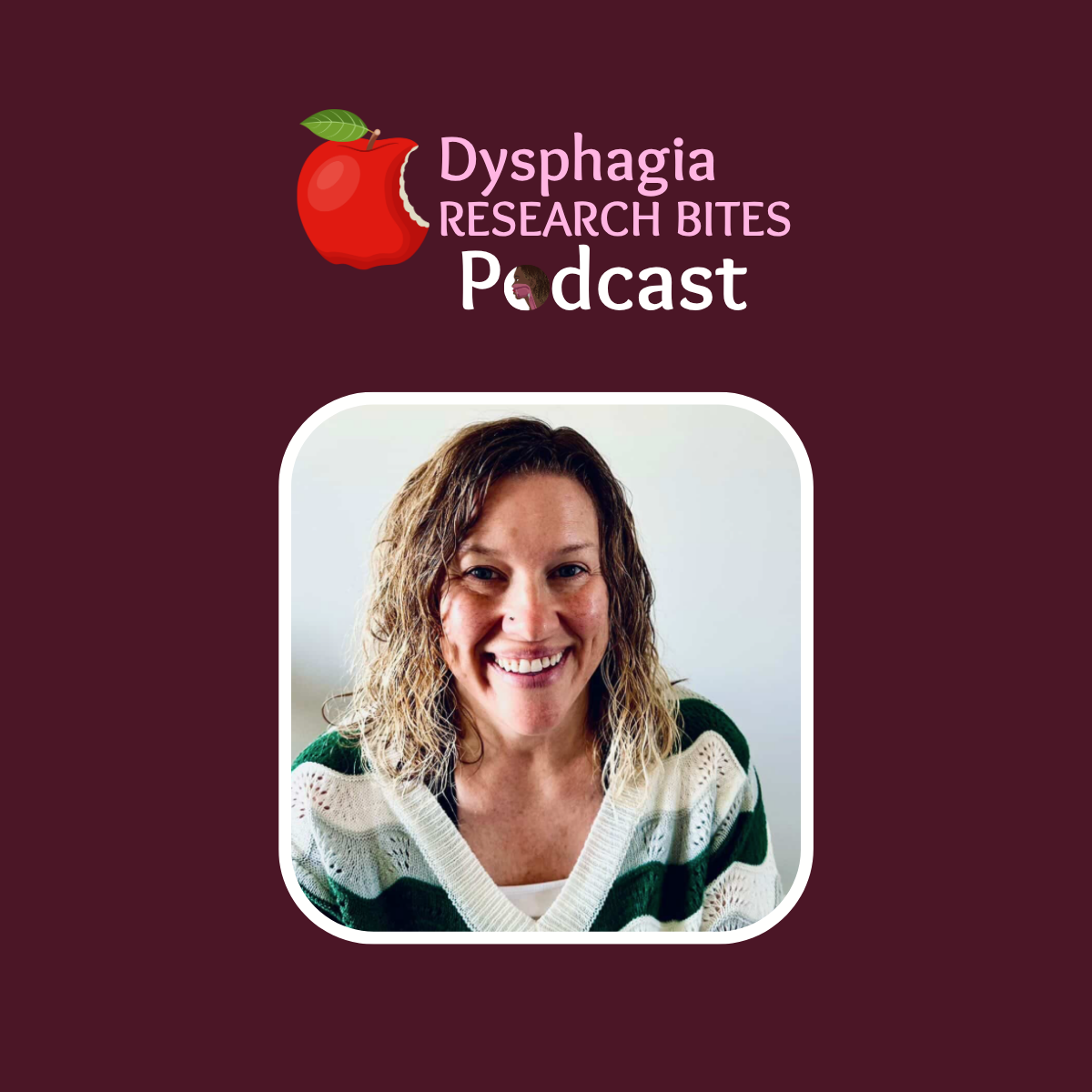
with Jackie Rodriguez
When dysphagia and dementia present together, the clinical picture is more complex than either diagnosis alone. In part one of this two-part conversation, I speak with Jackie Rodriguez about the dual diagnosis challenge, what it looks like clinically, why it's underrecognised, and why standard assessment approaches often fall short.
The episode is grounded in Michelle Tristani's 2016 paper on dysphagia in persons with dementia, and covers functional assessment approaches and the importance of language and terminology with this population.
EP 3
Dysphagia and Dementia
Part 2: What we Need to Learn & Unlearn
with Jackie Rodriguez
Part two continues the conversation with Jackie, moving from assessment into management. Topics include how dementia affects the visual field and what this means at mealtimes, sensory strategies to reduce overwhelm, and a practical discussion of oral apraxia and the techniques Jackie uses in her own practice.
The episode addresses what the evidence actually says about enteral feeding and aspiration pneumonia prevention, makes the case for proactive and early intervention in this population, and closes with Jackie's position on EOL care.
EP 4
Intensive Dysphagia Rehabilitation: When Less is More
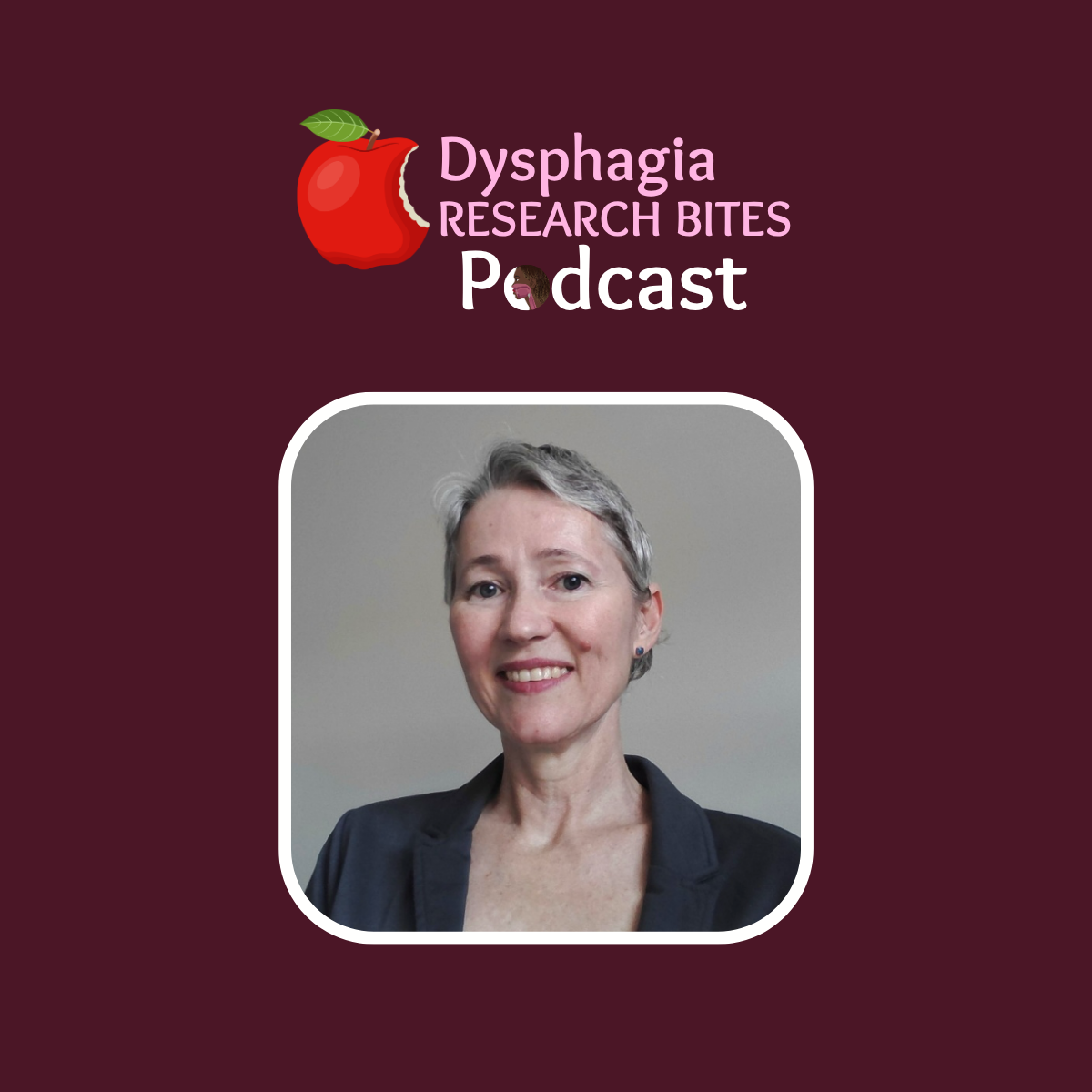
with Tiffani Wallace
This episode focuses on the Intensive Dysphagia Rehabilitation Approach (IDRA)™, examined through a 2016 case series study by Malandraki and colleagues. Tiffani Wallace, a dysphagia specialist and founder of Dysphagia Ramblings, breaks down what the approach involves and how the principles of neuroplasticity underpin its design.
The conversation covers the three core components of the program: oropharyngeal exercises, high-intensity targeted swallowing practice, and adherence-inducing features and addresses why a focused, targeted approach to rehab outperforms a broad list of unvalidated techniques.
EP 5
Cervical Auscultation:
Don't Throw Out Your Stethoscope
Just Yet
with Dr Liza Bergström
Cervical auscultation has had a complicated reputation in the profession. In this episode, Associate Professor Liza Bergström makes the case that much of that controversy stems from a misunderstanding of what CA is actually designed to do, and that recent high-quality research supports its place in the clinical swallow evaluation.
The conversation covers stethoscope placement, the five components of the Respiratory Swallow Assessment Protocol, what the evidence says about validity and reliability when compared to FEES, the role of training in improving accuracy, and the honest limitations of CA, including what it cannot reliably detect.

EP 6
Risk Feeding, Informed Consent & Prandial Aspiration discussions
with Dr Shaun O'Keeffe
This episode examines a question that sits uncomfortably in the profession: is clinical practice around aspiration risk driven by evidence, or by fear? Dr Shaun O'Keeffe joins the podcast to discuss his critique of the Royal College of Physicians' guidance on eating and drinking difficulties, and the broader issues it raises for dysphagia practice.
We cover the distinction between aspiration and aspiration pneumonia and the evidence, or lack of, for texture modification and as a pneumonia prevention strategy. Shaun makes a case for reframing dysphagia management through informed consent and patient autonomy, rather than risk avoidance.
EP 7
Eating and Drinking with Acknowledged Risk: A Panel of SLPs Get Honest
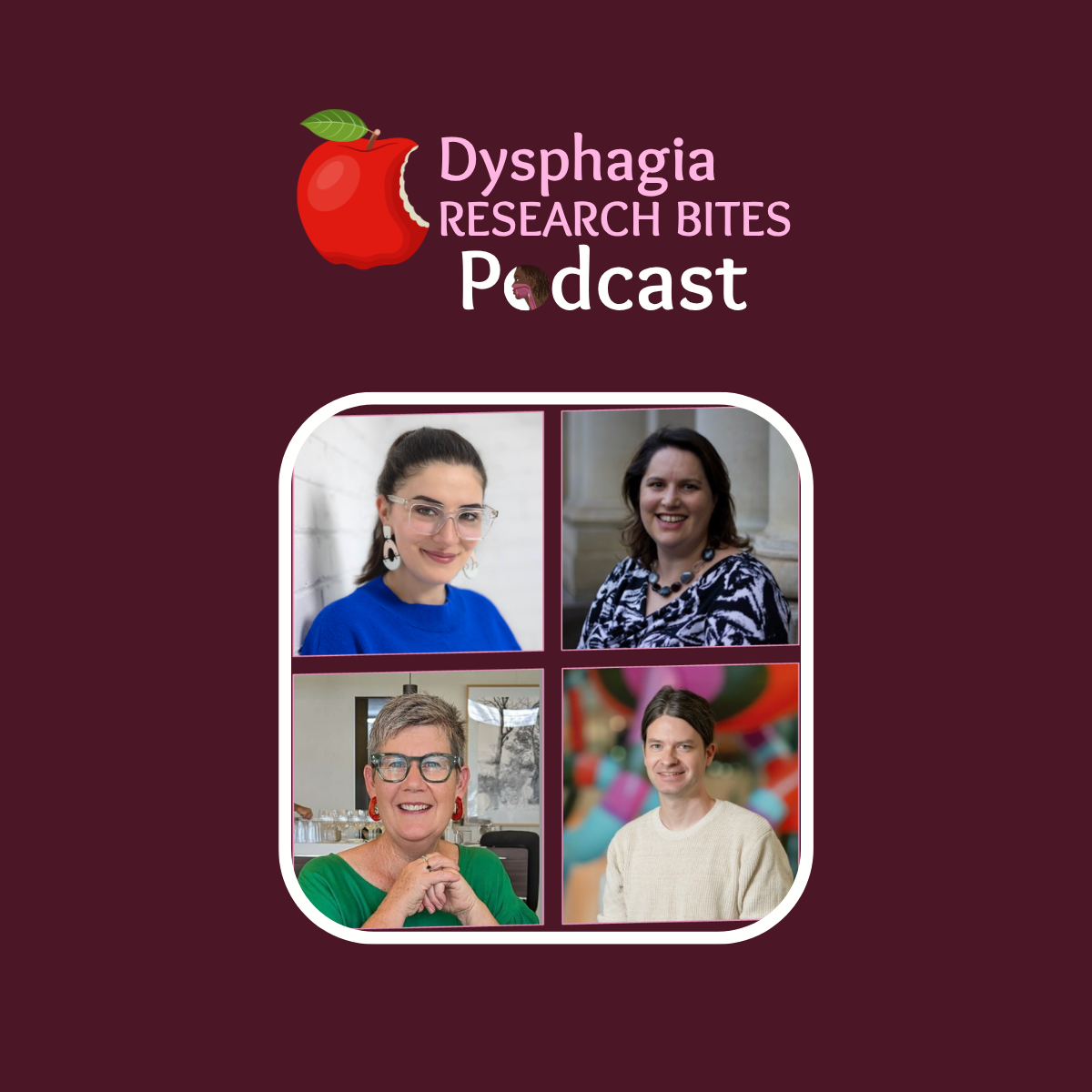
with Meredith Lane, Niall Taylor, Anna Coates, and
Dr Lillian Krikheli
Eating and drinking with acknowledged risk (EDAR) is one of the most complex areas of dysphagia practice, particularly when balancing safety, autonomy and quality of life. In this episode, Chantelle hosts a panel of Australian speech pathologists: Meredith Lane, Niall Taylor, Anna Coates and Dr Lillian Krikheli.
The discussion explores how EDAR is approached across different settings and countries, the tension between dignity of risk and duty of care, and how organisational policies can sometimes drive restrictive mealtime practices. The panel also considers client autonomy, social participation and identity, and what genuine patient-centred decision-making looks like in practice.
EP 8
sEMG & The Evolution of Swallowing Rehabilitation
with Professor Maggie-Lee Huckabee
Our understanding of swallowing rehabilitation has shifted from compensatory approaches towards skill-based training informed by motor learning and cortical control. In this episode, Professor Maggie-Lee Huckabee explores how these changes have shaped modern dysphagia rehabilitation.
The conversation covers sEMG vs NMES, strength- and skill-based impairments, the role of the cranial nerve examination, and how swallowing impairments may present on VFSS. Maggie-Lee also discusses sEMG biofeedback, including remote monitoring via BiSSkApp.
EP 9
Dysphagia in Developmental Disabilities: "They Don't Read the Textbook"
with Jen Biener
Dysphagia in adults with developmental disabilities can look very different from the clinical presentations many speech pathologists are trained to recognise. In this episode, Chantelle speaks with Jen Biener about the prevalence of swallowing difficulties in older adults with intellectual disability and the challenges of assessing this population.
The conversation explores the importance of looking beyond the swallow itself, including mealtime routines, familiar caregivers, independence and the person's long-term history. Jen also discusses how clinical expectations and bias can influence assessment, and why observing a person's usual mealtime environment can provide information that a formal assessment may miss.
EP 10
The 8 Principles of Community-Based Dysphagia Care
with Chantelle Hutchinson
Community dysphagia care requires more than simply taking hospital-based practice into someone's home. In this solo episode, Chantelle explores why the acute care model can leave speech pathologists underprepared for community practice and introduces the framework that underpins her own clinical approach.
Drawing on research into how experienced community SLPs practise, the episode explores the key differences between hospital and community dysphagia care, with a focus on quality of life, carer involvement and shared decision-making.
EP 11
The Role of Cough Reflex Testing in Detecting Silent Aspiration Risk
with Dr Phoebe Macrae
Cough reflex testing (CRT) is often used to provide information about silent aspiration risk, but how much should it actually influence clinical decision-making? In this episode, Chantelle speaks with Dr Phoebe Macrae about research examining how CRT results affect dysphagia management.
The conversation explores the sensitivity and specificity of CRT, how clinicians respond differently to failed, passed and unavailable results, and the influence of aspiration pneumonia risk factors on decision-making. Phoebe emphasises the importance of interpreting CRT as one part of the broader clinical picture rather than as a standalone predictor of aspiration risk.
EP 12
Functional Chewing Therapy (FuCT):
A Protocol Every Community SLP Needs to Know About
with Dr Carol Tran
Chewing is an often-overlooked component of dysphagia management, particularly for adults with developmental or acquired disabilities. In this episode, Chantelle speaks with Dr Carol Tran about the Functional Chewing Training (FuCT) protocol and how its principles may translate from paediatric to adult practice.
The discussion covers postural alignment, food positioning, sensory stimulation and food consistency grading, as well as the role of tools such as chew tubes in supporting mastication. The episode also explores the links between chewing, oral health, nutrition and broader health, and why dietetic input may be important when significant chewing difficulties are present.
EP 13
Food, Identity & Chronic Dysphagia:
A Patient Perspective That Will Change Your Practice
with Yvonne McClaren
What happens to a person's relationship with food when dysphagia becomes part of everyday life? In this episode, Chantelle speaks with writer, speaker and educator Yvonne McClaren, a chef, winemaker and head and neck cancer survivor living with chronic dysphagia.
Yvonne shares her experience of living with dysphagia beyond treatment, exploring the importance of food, identity and social connection. The conversation highlights commensality, the mealtime environment, caregiver involvement and the gap between clinical recommendations and life at home, challenging clinicians to consider more than simply whether a person can swallow safely.
EP 14
Not All Aspiration is Equal: The Evidence Behind The BOLUS Framework
with Melissa Kane
Aspiration and aspiration pneumonia are not synonymous, and assessing aspiration risk requires looking beyond the presence of aspiration itself.
In this episode, Chantelle speaks with Melissa Kane about a framework designed to help clinicians consider the broader factors that influence the likelihood of an adverse outcome.
The BOLUS Framework brings together bolus variables, oral care, lifestyle and activities of daily living, unintended or iatrogenic risks, and system health. The conversation explores how factors such as oral health, mobility, feeding dependence, tube feeding and medical comorbidities can influence aspiration-related risk.
EP 15
What Were We Doing Before? VFSS Reference Values and the Case for Quantitative Measurement
with Dr Catriona Steele
What if VFSS could be interpreted using reference values in much the same way that clinicians interpret a blood test? In this episode, Dr Catriona Steele discusses the development of reference values for videofluoroscopic measures of swallowing and what quantitative measurement could add to clinical practice.
The conversation explores the ASPEKT method, how quantitative measures differ from ordinal rating tools such as MBSImP, and what reference data can tell us about residue and aspiration. Catriona also discusses measurement challenges, the number of swallows needed to assess aspiration confidently, and emerging data across clinical populations including Parkinson’s disease and COPD.
EP 16
Spontaneous Swallowing Frequency as a Marker for Dysphagia: Research, Measurement, and Clinical Application
with Dr Sonal Pathak
How many times does a patient swallow in a minute? Spontaneous swallowing frequency may seem like a simple measure, but it could offer valuable insights into swallowing function and dysphagia. In this episode, Chantelle speaks with Dr Sonal Pathak about spontaneous swallowing frequency, how it is measured and its potential applications in clinical practice, from acute hospital settings to post-acute and community care.
The conversation explores the difference between spontaneous and volitional swallows, factors that can influence measurement accuracy, and how long recordings need to be. Sonal discusses the potential of spontaneous swallowing frequency as an accessible screening tool in acute care, including its use by non-SLP staff, and shares insights from her doctoral research investigating the measure as an outcome measure in post-acute rehabilitation. The episode also considers how it may help identify subtle swallowing difficulties when other clinical signs are less apparent.