00
DAYS
00
HOURS
00
MINS
00
SECS
Beyond The Bedside: Managing Dysphagia in the Community
3-Day Intensive Workshop
Dysphagia looks different when home is the clinical setting. The goals, the environment, and the risk profile of each client is unique and individual, so the approach to dysphagia should be too.
This is not going to be your typical professional development event. It will be 3 full days of dysphagia assessment, treatment, goal setting and outcome measurement, but delivered in a way that will be engaging, practical, and yes FUN!
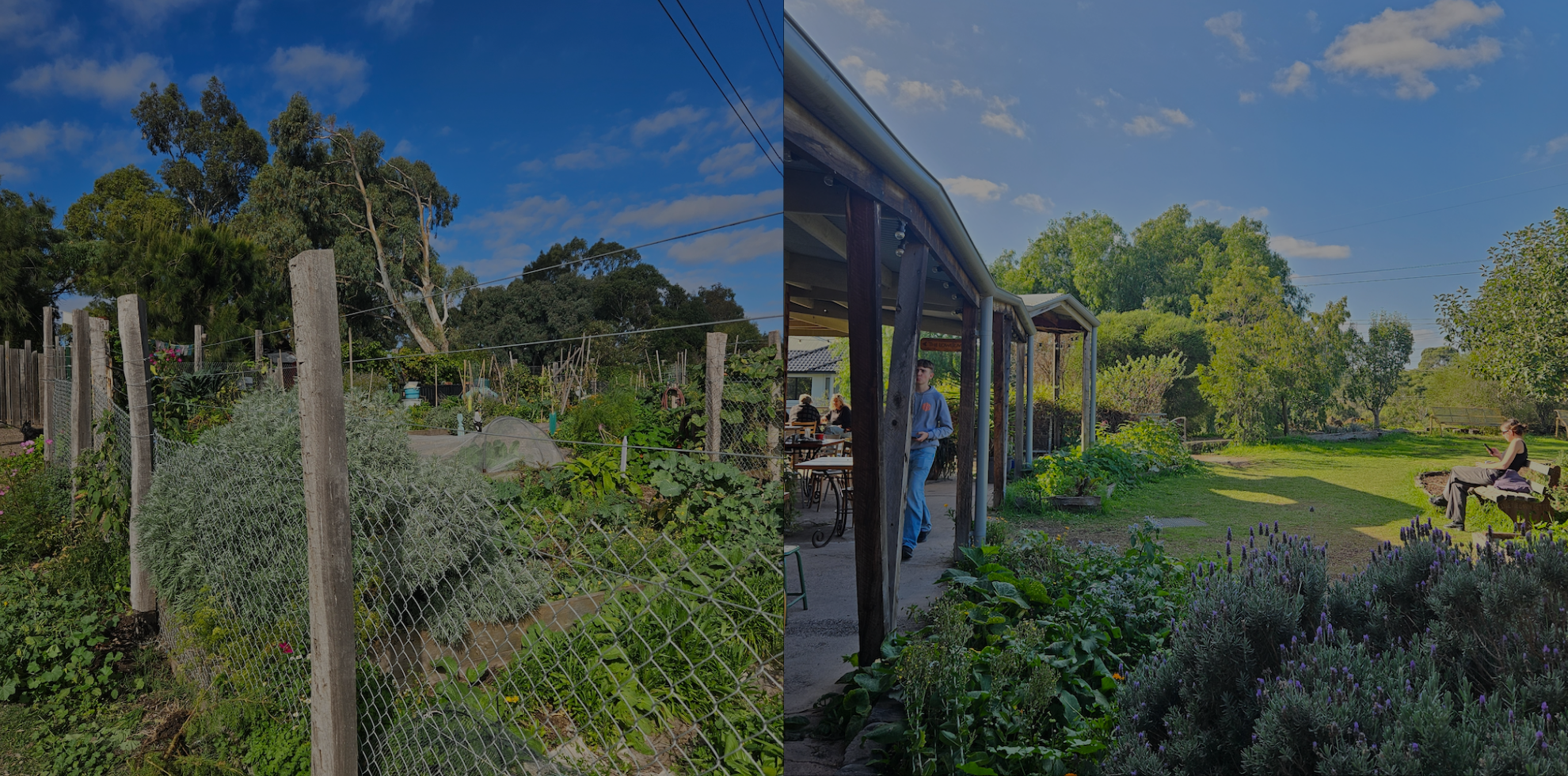
It will take place at an environmental education centre and urban farm in Melbourne. Think cafe on site, community gardens, and a vibe that is definitely not screaming conference room in the basement with a 2009 inspired slide deck.
You'll leave with more clinical knowledge and confidence than you arrived with, new SLP connections, and a renewed energy for the work you do!
I'm planning for the perfect workshop experience that will blend a deep dive into literature, practical hands on training, and great food, great company, and great prizes up for grabs.
*30 Seats available
Date: 4–6 November 2026
Location: CERES Environment Park, Stewart & Roberts St, Brunswick East, Melbourne, Victoria
Hours: 9:00am – 5:00pm daily
Price: $1,299 AUD (earlybird rate available until 21 August) | $1,499 AUD (full price) - NB: flexible payment options available
Catering: Morning tea, lunch, and afternoon tea included daily, with tea and coffee available throughout
Registration closes: 21 October 2026
Professional development hours: 20 hrs
Who this course is for:
- early career clinicians
- any clinician with reduced confidence or limited experience working with dysphagia, especially in a community setting
- therapists transitioning from hospital into community-based practice
- anyone who would like a refresh in dysphagia best practice
Download Course Description (pdf)
Download Accommodation Options (pdf)
Register - earlybird discount
Workshop Overview
Day 1 (Wednesday): Assessment
1. The 8 Principles of Community-Based Dysphagia Care (15 mins)
2. Assessing Oral Health
- Review of the literature on available published tools
- Score & interpret oral health assessment results
3. The Cranial Nerve Examination
- Quick review of neuroanatomy
- The correlation between cranial nerve impairment and functional swallowing impairments
- Review research & limitations of the cranial nerve exam in dysphagia assessment
- Conduct a cranial nerve exam
4. Swallow trials with food & fluids
- How to modify your assessment according to your setting & client population
- How to standardise and improve the objectivity of your CSE
- Review the literature on signs & symptoms of dysphagia
- What the research says about trialling thickened fluids at the bedside
- Respiration & Swallowing (common respiratory disorders & introduction to auscultation)
- Cervical Auscultation: the research, the protocol and practical use
5. Establishing individualised risk profiles
- review the literature on common risks arising from dysphagia
- apply an evidence-based framework with real case studies
- assessing capacity in Eating & Drinking with Acknowledged Risk situations
Day 2 (Thursday): Documentation, Goals & Outcome Measures
1. Clinical Documentation
- learn a new clinical documentation framework designed for community-based practice and apply this to a real case study with detailed assessment results
2. Instrumental Examination: VFSS & FEES
- referral reasons & contraindications
- critique commonly used VFSS tools
- understand what makes a strong VFSS report and what might be missing
3. Goal Setting
- design & conduct a dysphagia-focused semi-structured interview to elicit meaningful dysphagia goals
4. Outcome Measurement
- learn about dysphagia specific outcome measures and critique their benefits and drawbacks
- review published outcome measures for use in the community (brief - 15 mins)
- use and score select dysphagia patient reported outcome measures
5. Goal Setting & Outcome Measurement Case Study & Group Activity
Using the goals identified earlier, in groups you will shape this into a SMART goal and use this SMART goal to create goal attainment scaling levels to create an outcome measurement. You will receive feedback and practical support during this activity.
Day 3 (Friday): Management
1. Dysphagia Rehabilitation
- Review of research on dysphagia exercises, exercise physiologoy and principles of motor learning & neuroplasticity
- use real VFSS report results to develop a dysphagia rehabilitation program
2. Mealtime Management & Carer Training
- Understand what your mealtime management plan should include
- Review real mealtime management plans
- Learn strategies and approaches for training care staff and maximising buy-in
3. Oral Care Plans
- Review the research on oral care plans, bust some oral care myths & review real oral care templates
- Develop an evidence-based oral care plan based on real case studies
4. Texture Modification & Practical Strategies
- Review the evidence on texture modification
- Learn tips & tricks for food modification and understand how to minimise nutrient loss when modifying textures
- Hands on IDDSI testing with real food and fluids
Secure Earlybird Ticket
Learning Objectives
By the end of this workshop, participants will be able to:
- Conduct and interpret a comprehensive Clinical Swallow Evaluation that reflects the individual's environment, cognition and support needs
- Conduct oral health assessments using validated tools for geriatric and disability populations and apply findings to dysphagia management planning
- Critically evaluate VFSS reports and apply instrumental findings to clinical decision making
- Develop evidence-based dysphagia rehabilitation plans grounded in principles of motor learning and neuroplasticity
- Save time and write high quality clinical documentation using a community-based documentation framework
- Construct collaborative and measurable dysphagia goals, applying SMART goal criteria when appropriate
- Select and apply dysphagia-specific outcome measures appropriate for community and chronic dysphagia populations with varying levels of cognition ability
- Develop mealtime management plans and oral care plans informed by current evidence and learn how to maximise buy in from support staff in implementing these
- Apply IDDSI framework testing to texture modification decision making in clinical practice and learn practical tips to support your clients to have a modified diet in the community
Beyond the Bedside: Managing Dysphagia in the Community
LIVE 3-Day Intensive Workshop
00
DAYS
00
HOURS
00
MINS
00
SECS
About the Presenter
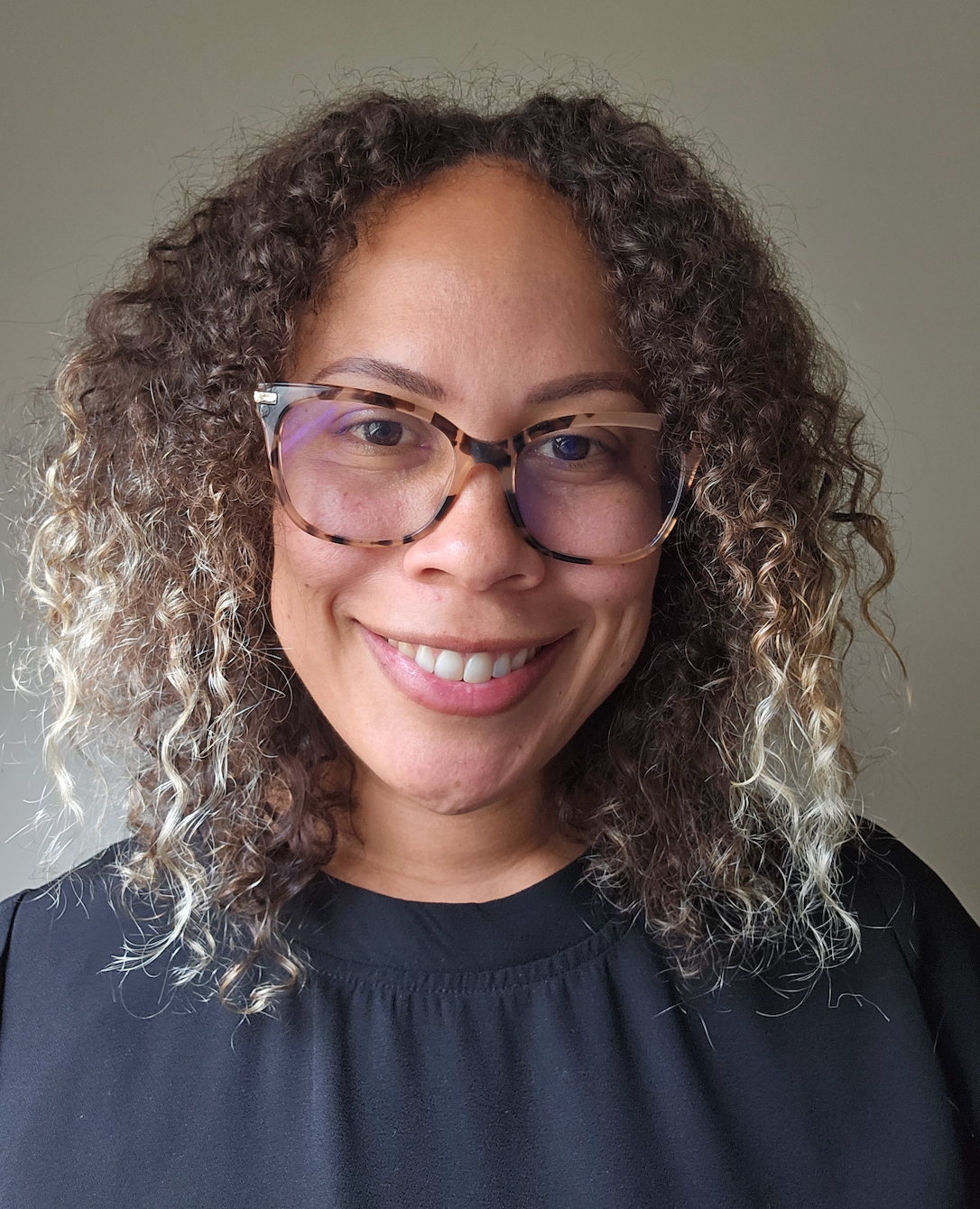
Chantelle Hutchinson is a Speech Pathologist with over 15 years' experience working with adults with dysphagia across inpatient rehabilitation, outpatient clinics, and home-based practice. Her clinical focus is community-based dysphagia management, which is the setting this workshop is built around.
After years of searching for continuing education that reflected the realities of community practice, Chantelle identified a clear gap. Most dysphagia courses were designed with acute care in mind and mostly focussed on adults with acquired impairments. A lot of the content didn't translate, particularly for adults with other impairments such as progressive conditions, dementia, and intellectual disability, where environment, cognition, and context are central to every clinical decision. So she built it a course herself.
Her first course, the Complete Clinical Swallow Evaluation Course, launched in mid-2025 and has since enrolled over 125 SLPs. Following demand for a live format that extended into management, Beyond the Bedside was created.
Chantelle is the founder of Dysphagia Bites, an evidence-informed education platform for SLPs, and host of the podcast Dysphagia Research Bites. She guest lectures at La Trobe University and has completed additional dysphagia training including the McNeill Dysphagia Therapy Program (MDTP certified), the Dysphagia Disorders Survey (DDS-DMSS certified), a 12-day intensive dysphagia course led by Prof Maggie-Lee Huckabee, and is currently completing MBSImP certification.
WANT TO KNOW MORE?
Frequently Asked Questions
Can I attend this event online?
What is the cancellation policy?
I work in an acute setting, is this course suitable for me?
I work with a diverse adult population, is this course suitable for me?
I can't get to Melbourne, are you hosting this event anywhere else?
Want to attend but the date or location doesn't suit?
Due to some requests, I am considering running this event in a second location or offering more dates. So if you would like to attend in a different location or on different dates, please enter your details and you will be the first to get notified about event details.