On-Demand Dysphagia Course:
The Complete Clinical Swallow Evaluation Course for Community Practice
Build your clinical confidence and conduct assessments grounded in evidence and the realities of community practice, because dysphagia looks different when home is the clinical setting
ENROLL TODAY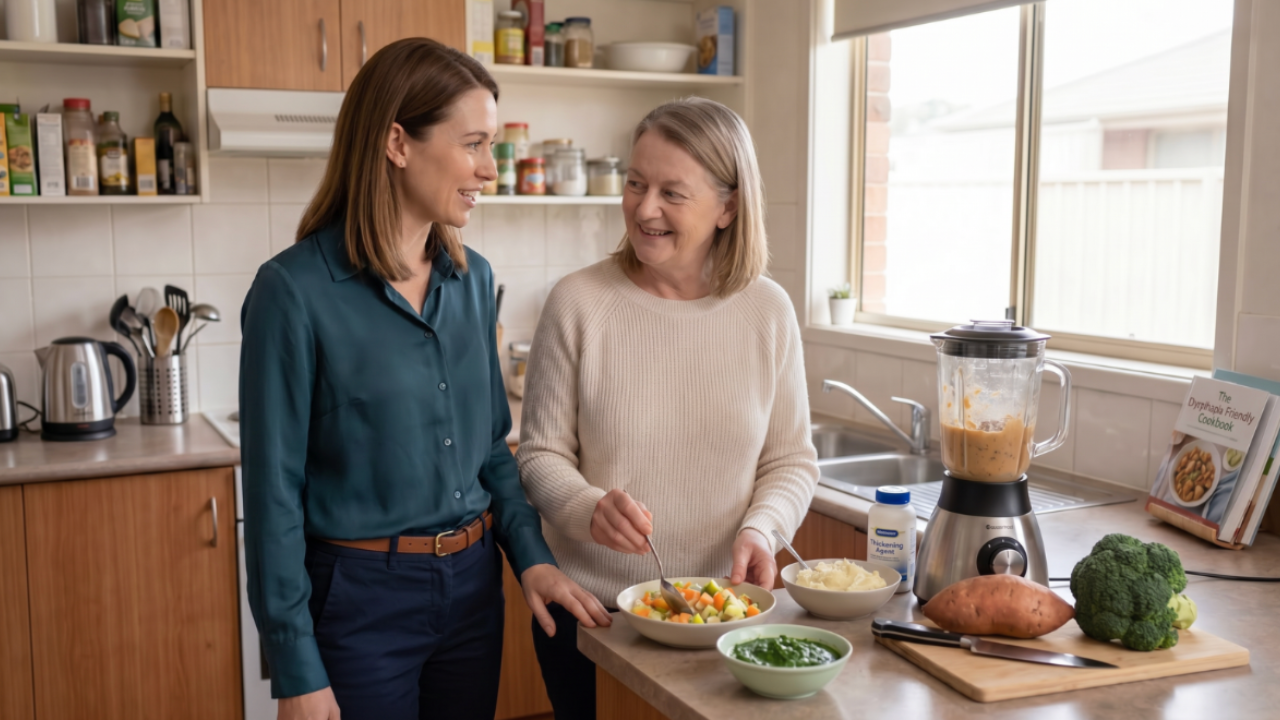
Let's Break it Down
Here's What is Inside the CSE Course...
-
Chapter 1: Introduction (30 mins) This modules addresses the limitations of the CSE and discusses how acute care has shaped clinical dysphagia assessments. Understand why so much of what we were taught doesn't translate to community practice, and what to do about it.
-
Chapter 2: The Case History (29 mins) Learn how to use the case history as a clinical tool, not just a checklist. Understand the goals of a case history beyond gathering a detailed medical history. The goals of a case history are multifactorial and other equally important goals, are also discussed.
-
Chapter 3: Oral Motor Examinations (39 mins) This covers oral health and cranial nerve exams. It will go through validated tools you can use and will address how cranial nerve findings translate into functional swallowing impairments (video demonstrations to be added soon).
-
Chapter 4: Assessing Individual Swallow Skills (29 mins) such as mastication, respiration, and more. This chapter examines the observable parameters of swallow trials, the limits of clinical inference, and what current research says about some widely used assessment techniques.
-
Chapter 5: Using Clinical Tools to Assess Swallow Function (21 mins) Review methods and tools such as: hyo-laryngeal palpation, cervical auscultation, and pulse oximetry: what they're designed to do, how they're being used in practice, and what current literature tells us about their clinical utility.
-
Chapter 6: Interpreting Signs and Symptoms of Dysphagia and Aspiration (28 mins) Take a critical look at the clinical signs we've long relied on to identify penetration and aspiration: cough, wet voice, throat clearing, and others, and what the evidence actually says about their reliability. Includes a closer look at the physiology behind these responses and reference values from current literature that are worth having in your back pocket.
-
Chapter 7: Published Tools (64 mins) A comprehensive overview of published CSE tools across four categories: screening tools, standardised assessments, patient-reported outcome measures, and severity rating scales, with a focus on critical appraisal rather than just tool familiarity. Includes a primer on sensitivity and specificity for those who want to understand not just which tool to use, but why.
-
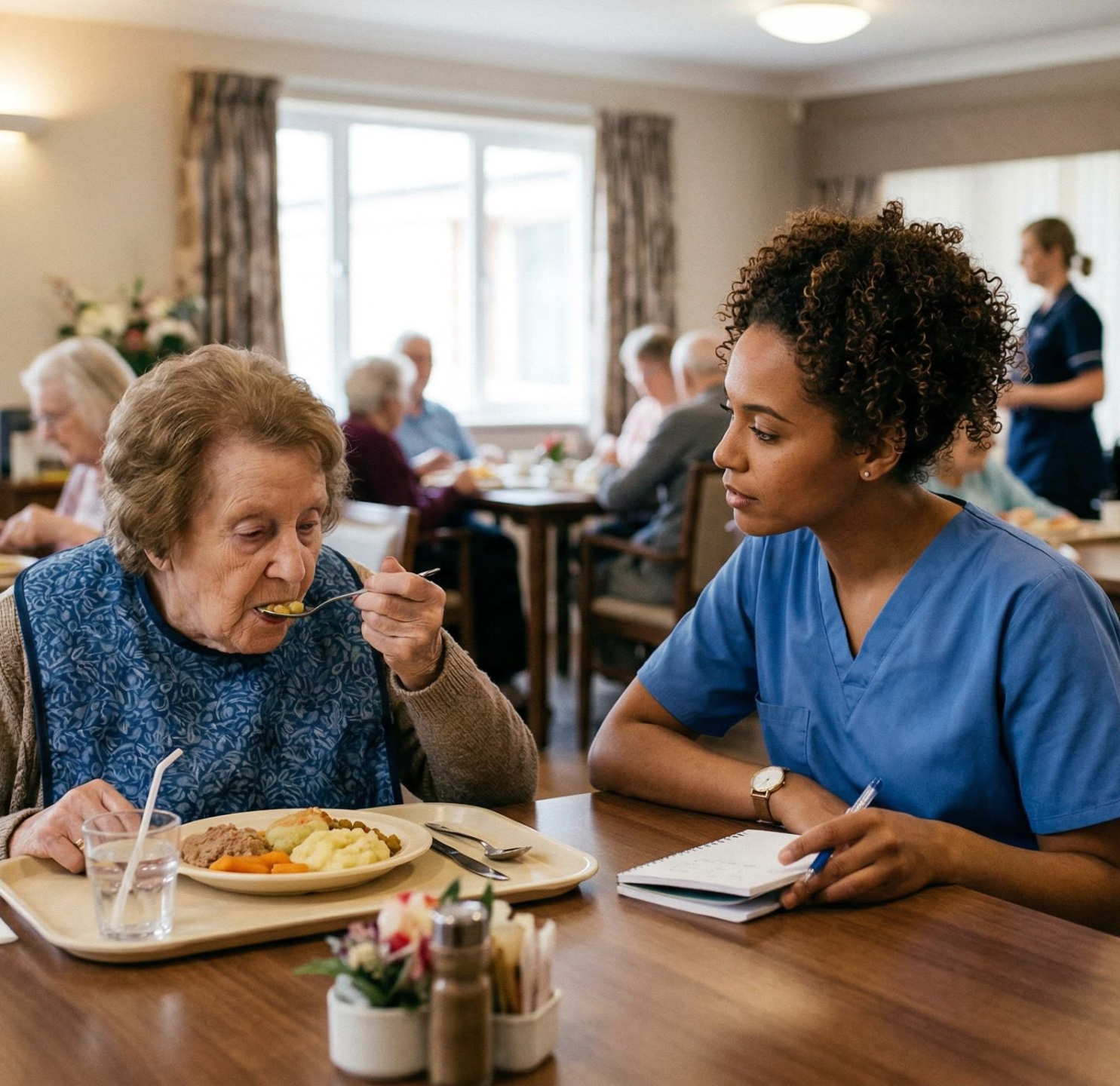
Chapter 8: Conducting Swallow Trials and Assessing the Swallow Over Mealtimes (38 mins) This will detail how to shift from a structured, de-contextualised assessment to one that reflects real life. This chapter covers mealtime observations and structured swallow trials, when each is appropriate, how to approach them across different community populations, and why objective data collection matters more than most clinicians realise. This chapter also addresses the contested practice of trialling thickened fluids at the bedside, and what the evidence says about it.
-
Chapter 9: Goal Setting (52 mins) Write meaningful, measurable dysphagia goals for community-based clients in this chapter that addresses the why and how of explicit goal setting in dysphagia management. Also covers strategies for eliciting goals across a range of cognitive presentations, and matching outcome measurement tools to the goals you've set (additional content to be added soon).
-
Chapter 10: Assessing Risk (33 mins) Move beyond aspiration as the only risk metric and examine the multifactorial nature of aspiration pneumonia risk in adults with dysphagia. Includes a review of key research frameworks and practical case studies applying them to real-world risk feeding and texture modification decisions.
-
Chapter 11: Principles of Dysphagia Assessment in the Community (21 mins) Examines what person-centred dysphagia management actually looks like in community practice, and how it differs from acute care in ways that matter clinically. Covers least restrictive interventions, shared decision-making, carer involvement, and the kind of holistic thinking that community practice demands.
-
Chapter 12: Clinical Documentation (80 mins) Write notes that reflect your expertise and communicate your reasoning clearly and this module that explores clinical documentation practices for community-based dysphagia assessment. Learners will examine how clear, concise, and clinically reasoned documentation supports patient outcomes, professional credibility and continuity of care. The module challenges traditional documentation habits by emphasising accurate objective reporting, cautious interpretation of bedside findings, and more precise clinical language when discussing dysphagia.
-
Chapter 13: Integrating VFSS Findings (63 mins) Although conducting Videofluoroscopic Swallow Studies is not part of the clinical swallow evaluation, the results should be part of the overall assessment and used to create a comprehensive dysphagia management plan. This chapter is to help the community clinician: complete appropriate VFSS referrals, understand basic anatomy as per VFSS images and be familiar with the strengths and drawbacks of common VFSS tools (an additional recording on VFSS Report Writing will also be added soon)
Next Chapter to be added:
- Assessing dysphagia via telehealth (what the research actually says and how it applies to real-world contexts)
This chapter is included in your purchase at no extra cost.
"The Content Was Practical and Clinically Relevant"
"I found the course really valuable and practical, particularly in how clearly it structured the clinical swallow evaluation process and linked assessment findings to clinical reasoning.
It helped strengthen my confidence in completing and interpreting CSEs more systematically. Since doing the course, I've been more deliberate in how I approach dysphagia assessment and documentation, and more aware of the need to base recommendations on clinical reasoning rather than routine practice alone.
I really appreciated how the content was practical and clinically relevant, and I think it would be very useful for speech pathologists wanting to build confidence in dysphagia assessment."
~ Echo, Speech Pathologist
Learning Objectives:
-
Know exactly what to look for during a clinical swallow evaluation and why it matters for your specific client and setting.
-
Understand the benefits and the limitations of clinical swallow evaluations.
-
Interpret signs and symptoms of dysphagia and aspiration with confidence after understanding what the research says about their reliability.
-
Know which assessment tools have strong psychometric properties and which ones don't, so you can make informed decisions.
-
Assess risk in a way that is individualised, person-centred, and evidence-based not just risk-averse.
-
Write documentation that reflects your clinical reasoning and communicates your expertise clearly.
-
Apply the latest research to your caseload, including clients with acquired brain injury, progressive neurological disease, and developmental disabilities.
Community Dysphagia Education that Reflects your Practice
The Complete Clinical Swallow Evaluation Course is a comprehensive, evidence-based course designed specifically for speech-language pathologists working in community, outpatient, home-based, and disability support settings.
The course was developed in response to a recognised gap in continuing dysphagia education. The majority of available training is oriented towards acute care practice. This course is not. It is built around the populations, settings, and clinical decisions that community clinicians encounter daily, and is grounded in current literature.
This course integrates current research, detailed case studies, and practical clinical reasoning exercises, with content designed to be applied immediately to real-world practice.
Course Includes:
13 modules
9 hours of recorded video learning
2+ hours of self-directed case study application
50+ page clinical CSE handbook
End of chapter quizzes & certificate of completion
Lifelong access, including all future updates
This course is for you if...
-
You're working with adults in home health, aged care, outpatient clinics, disability settings, and community-based roles.
-
You're early in your career and want a strong foundation in dysphagia assessment.
-
You feel like your dysphagia training didn't fully prepare you for this setting.
-
You're an experienced clinician looking to update your knowledge and get across the latest evidence.

COURSE FEEDBACK
Here's What Past Students Have Said...
"I found this course really helpful as a new grad. A lot of these topics do not get discussed in great detail when we are at uni,. To have this intensive class with real-world case studies was really great."
~ Mary, New Graduate Speech Pathologist
"I am about to start my 3rd year as a qualified speech pathologist, and I feel as though no job has quite given me the training necessary before going into a CSE. This has been invaluable information."
~ Speech Pathologist
"I enjoyed it immensely - the case studies were very useful. Everything has application to our community health speech pathology team."
~ Meredith, Speech Pathology Clinical Lead
"This course is excellent value. There was a lot of content covered, and Chantelle is clearly very knowledgeable."
~ Speech Pathologist
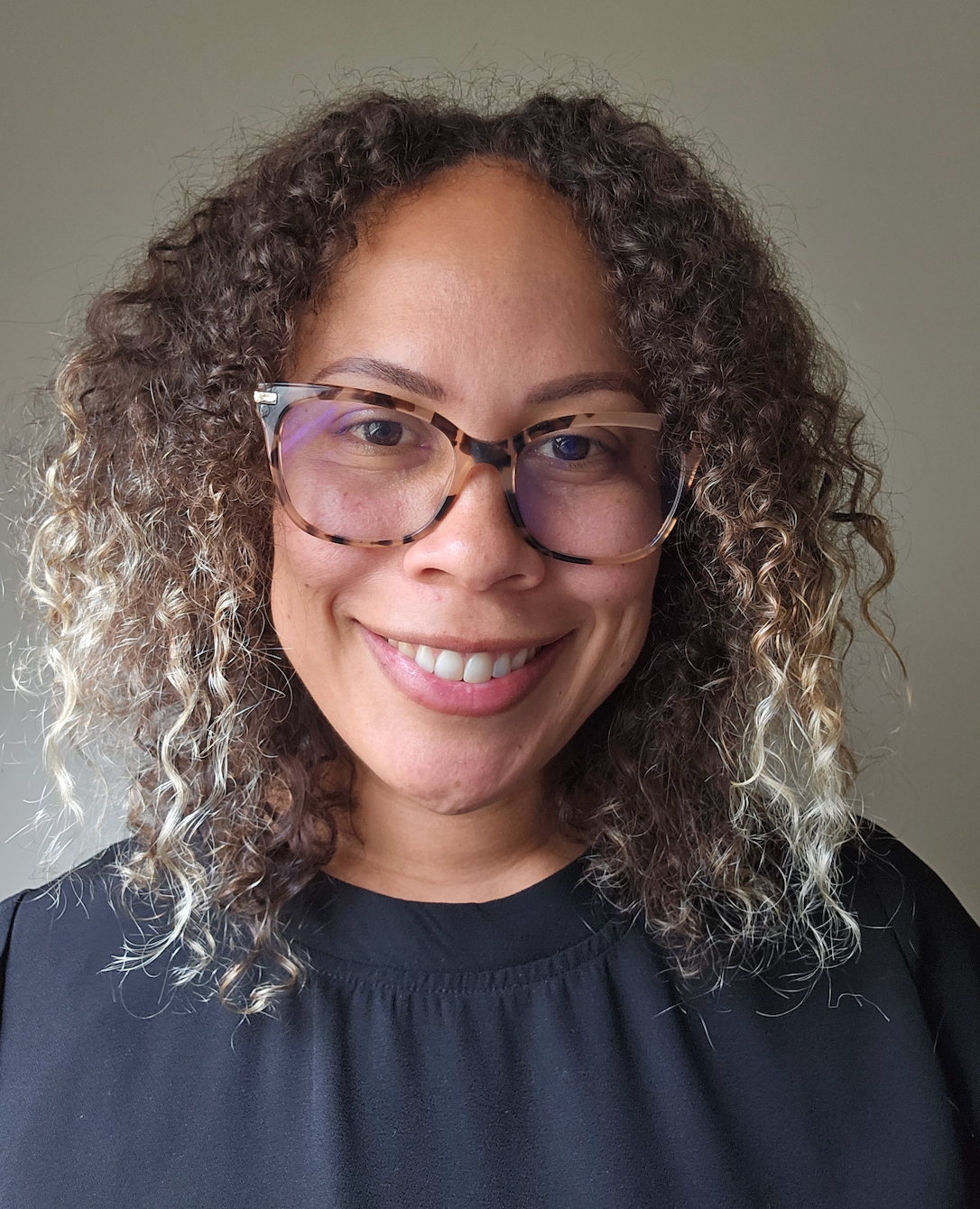
About the Presenter
Chantelle Hutchinson is a Speech Pathologist with 15 years of clinical experience across home health, aged care, disability support, outpatient rehabilitation, and acute inpatient settings. She has held a senior clinical management role overseeing a team of 15 speech pathologists, and guest lectures at university level on acquired neurological communication disorders.
Her clinical and educational focus is community-based dysphagia practice, an area she identified as significantly underserved by existing continuing education. The Complete Clinical Swallow Evaluation course was developed in direct response to a pattern she observed across clinicians at every career stage: SLPs left to apply acute care dysphagia frameworks to community settings where the risk profile, goals, and clinical context are fundamentally different, through no fault of their own, but because community-focused training has been largely absent from the field
Enrol in The Clinical Swallow Evaluation Course
Choose Your Payment Option
BEST VALUE
ONE-TIME PAYMENT OF
$497 AUD
Assess dysphagia with confidence in any community-based setting
7+ hours of recorded video learning
50+ page clinical CSE handbook
Lifetime access including all future updates
JOIN NOW →PAYMENT PLAN
TWO PAYMENTS OF
$267 AUD
Assess dysphagia with confidence in any community-based setting
7+ hours of recorded video learning
50+ page clinical CSE handbook
Lifetime access including all future updates
JOIN NOW →
WANT TO KNOW MORE?
Frequently Asked Questions
I'm a new graduate. Is this course appropriate for my level?
I'm a senior clinician with years of experience. Will I get value from this?
I work in a hospital. Is this still relevant to me?
Is this course available LIVE or in-person?
Do I get access to future updates?
How long do I have to complete the course?
Will I receive a certificate of completion?
What additional qualifications or training has Chantelle completed?
What works on the ward doesn't always work at the kitchen table.
If you're a community based SLP that has been looking for continuing dysphagia education relevant to your caseload and setting, this is it.